
How Trust-Building Will Help You Build a Better Job and Career

As of January 2026, there are approximately 6 million professionals seeking “better” jobs, and most of them are using AI to help them feel less anxious and insecure about the process (e.g. to enhance resumes and cover letters, source relevant jobs, prep talking points for phone interviews, etc.)
These fast tools absolutely have their place in the job search process, but if you’re a high-achieving professional who's already got a significant repertoire of experience and a significant amount of professional, personal, and financial responsibility, it feels a bit ironic to let AI guide your next career move, no?
If you really want a better job and keep building a better career, then I strongly advise you to take your time, think more critically, and focus on building trust - first in yourself, and then with others…
Think Slow and Build Self-Trust
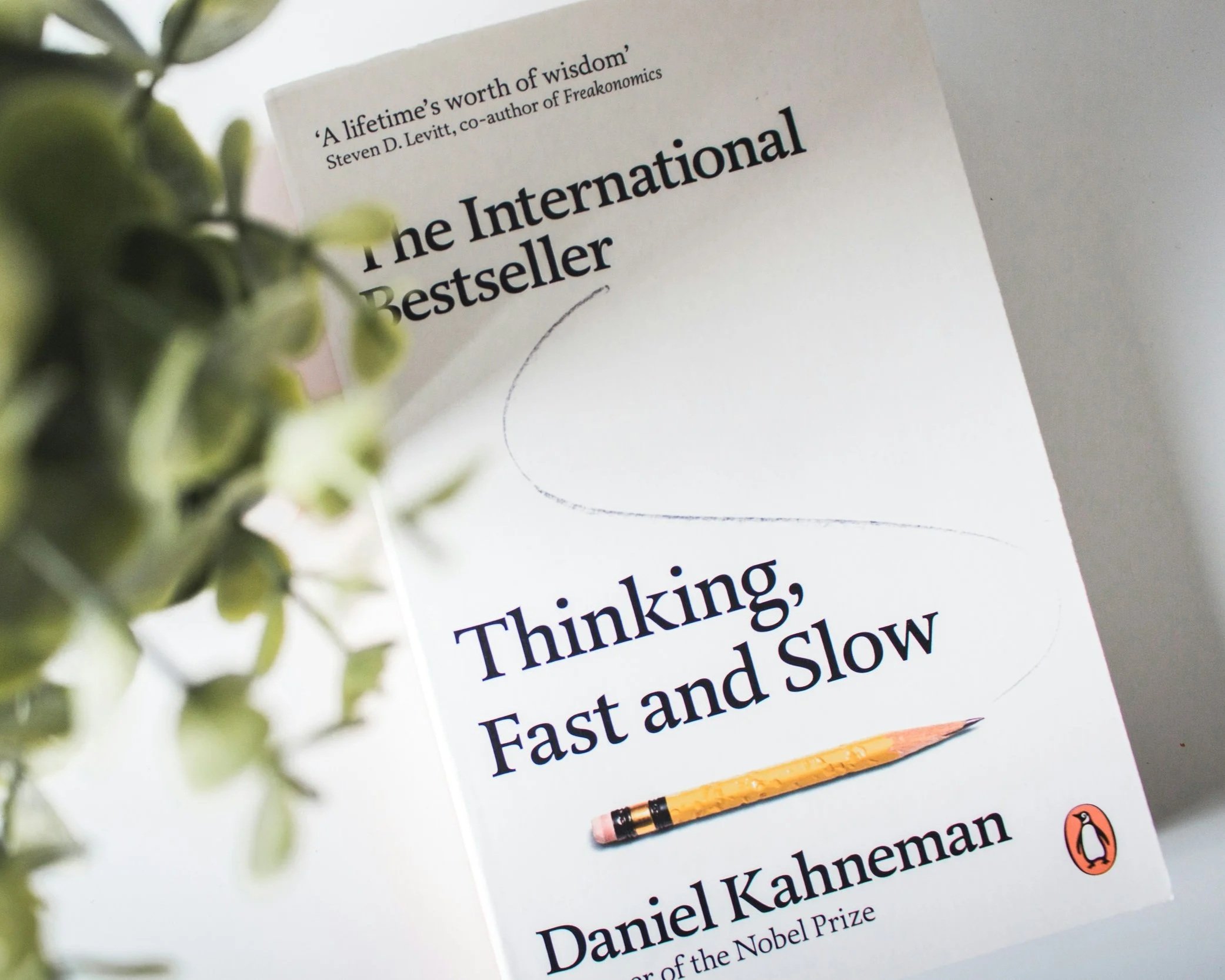
About 15 years ago, American psychologist, Daniel Kahneman, popularized the term Thinking Slow. He explained it as deliberate, logical processing to uncover the cognitive biases and ‘rules of thumb’ shaping our judgments.
How does this peculiarly-named critical thinking process apply to your next career move? Well, when was the last time you looked at the repeating patterns in your career choices and re-evaluated:
What YOU stand for as an experienced professional…rather than what the market has been telling you to value?
What YOU need to feel safe, motivated, and successful…rather than what family members, teachers, and employers have encouraged you to accept?
What YOU bring that no one else does…rather than what companies and hiring managers say they need from you?
Being ready to clearly and confidently communicate your values, expectations, and talents at this stage of your career does two things: it helps you define exactly why and how your next job needs to be different from the last, and it strengthens your belief in your own authority, making it easier for others in your field to recognize it too.
Trust Others to Build a Better Career
Of course, becoming a clearer and more confident self-advocate is just the beginning. Landing a better job and building a better career also requires building trust with a wide array of professionals who could theoretically keep helping you along the way:
Connectors, recruiters and headhunters, hiring managers, and new teams ALL need to believe in you as much as you believe in yourself, and that trust building with others requires 4 different efforts.
Converse patiently. Your professional introductions, impact stories, and asks are perceived as more trustworthy when they’re delivered in an unhurried way.
Empathize fluently. Your acknowledgement of struggle or resistance is perceived as more trustworthy when you use their language.
Pitch competently. Your ability to jump in and provide strategic direction and support is perceived as more trustworthy when…
Show up consistently. Your acknowledgement of hardship or any extra effort is perceived as more trustworthy when…
This work isn’t always easy, but it helps you remember that you’re not just seeking a “better” job, you are building a better career career is part of something bigger. think bigger puts you on stronger footing in real life.
better path, ves the way to especially for who can ehlp you in a whole bunch of other really important steps…
and actually uild stronger bridges to better opportunities and actually land them, you also must be willing to trust the process and trust others to help you - which, for high-achieving professionals, is sometimes easier said than done!
Because effort must art not a science, but there are ___ ways you can do ing able to clearly articulate your values, expectations, and talents also tends to make you more curious about the values, expectations, and talents of others, and that curiosity has the power to turn any conversation into a bridge to better opportunities.
Here are 5 Ways To Do That
Decide whether your next move will be for better content or a better context and
Research, network, and build bridges to more aligned jobs and opportunities
Present yourself as the clear thinker and discerning decision-maker you know you can be
Influence or co-create the scope of prospective jobs and opportunities
Negotiate the terms of your exit from your current employer
Negotiate Comp & Benefits with your prospective employer, based on what really matters at this stage of your career
But that’s not all…
Being able to clearly articulate what you stand for, what you need, and what you bring also enables you to engage the help of others faster - whether that help is brokering warm introductions to folks in their network, endorsing your readiness for specific roles and opportunities, or helping you prepare for more high-stakes conversations.
So if you are anticipating the need for a career change this year, do yourself a favor: Take your time. Think slower. Figure out what really matters at this stage of your career…and then get going.

If you want targeted support to make the most of your next career move, apply to work with me.
In just 6 weeks, we’ll get you moving faster in the right direction and for all the right reasons.